
PhDs/PostDocs

Dr. rer. nat. Nicole Andrée-Busch, PostDoc Brinkmann lab
Technische Universität Braunschweig (P01)
- n.andree@tu-braunschweig.de
During my biology studies at the Technische Universität Braunschweig, I became interested in the fascinating interplay between pathogen and host. Already in my bachelor thesis and during a stay abroad at the Forestry and Agricultural Biotechnology Institute (FABI) of the University of Pretoria in South Africa, I dealt with various plant pathogenic fungi, and in my master thesis at the Julius Kühn Institute with plant pathogenic viruses. For my PhD, I switched to the field of genetics and worked on the process of pre-mRNA splicing in fission yeast. In Melanie Brinkmann´s group I am diving deeper into the exciting field of virus-host interactions and how herpesviruses manipulate their host’s immune system to establish lifelong infections. Besides planning and conducting experiments in the lab and supervising theses, I am involved in teaching by giving lab courses and lectures. As scientific coordinator of the DEEP-DV research unit, I am responsible for the scientific administration of this group. This position allows me to combine the exciting research in the lab with project management and public outreach.
In my free time, I enjoy being active in our garden and spending time outside in nature with my horse Donatello (‘Dickie’).
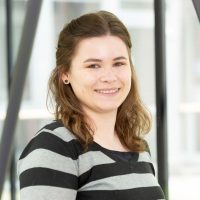
Thalea Buchta, PhD student Brinkmann lab
Technische Universität Braunschweig (P01)
- t.buchta@tu-braunschweig.de
My scientific journey began at the University of Leipzig where I obtained my bachelor degree in biochemistry. Following that, I graduated at the University of Tübingen with a Master in biochemistry. I chose to study biochemistry not only because I had a knack for chemistry, but also because I was always fascinated by the complexity of life and how molecules “talk” to each other. I am now taking this curiosity a step further as a PhD student at the Technische Universität Braunschweig, where I conduct research on the interplay between herpesviruses and their host cells. Specifically, I am investigating how the herpesvirus Human Cytomegalovirus (HCMV) interacts with the cellular Zinc Finger Antiviral Protein (ZAP), an RNA-binding protein that comprises four isoforms with distinct expression kinetics. I am especially interested in the immediate-early stage of infection: how do these isoforms affect progression of infection, which cellular and viral transcripts are bound by ZAP, with which cellular or viral proteins does ZAP interact with, and does HCMV exploit ZAP for its own benefit? In my free time, I play soccer in a local club, go on long-distance runs or bike rides, or hike in our nearby national park, the Harz mountains. On the flipside, I enjoy relaxing with my cats Sam and Frodo.
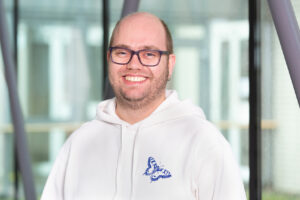
Oliver Maier, PhD student Brinkmann lab
Technische Universität Braunschweig (P01)
- oliver.maier@tu-braunschweig.de
My scientific career started at the Technische Universität Kaiserslautern, where I earned my bachelor degree in Bio Sciences in 2020. I then continued with my master studies in Bio Sciences at the University of Würzburg and finished in 2023. During this time, I developed a strong interest in immunology, particularly in how immune cells interact with various pathogens. Fascinated by the ability of viruses to manipulate the immune system, I decided to pursue a PhD at the Technische Universität Braunschweig, focusing on human cytomegalovirus (HCMV). HCMV is one of the nine known human herpesviruses and is capable of establishing lifelong infections through a persistent state known as latency. Reactivation from latency can lead to severe, and often fatal, complications in affected individuals. The central focus of my PhD research is to study the role of viral and cellular proteins in the context of viral latency and reactivation. Outside the lab, I enjoy spending time with friends, going for walks, dancing, and travelling.
Umut Tank, PhD student Brinkmann lab
Technische Universität Braunschweig (P01)
- umut.tank@tu-braunschweig.de
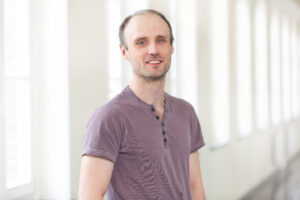
Dr. rer. nat. Thomas Hennig, PostDoc Dölken lab
Medizinische Hochschule Hannover (P02)
- hennig.thomas@mh-hannover.de
I have obtained my BSc in microbiology and virology from the University of Warwick where I also conducted a 1-year practical at Novartis studying neutrophil responses to potential inhibitors of neutrophil functions. After this I gained my PhD from Imperial College London as part of the Wellcome Infection and Immunity programme in the group of Peter O’Hare. There I was focussing on the function of a nuclear localisation signal (NLS) of UL36 during the entry processes of Herpes Simplex virus and how the NLS enables trafficking to the nucleus. Since starting a post-doctoral position in the group of Lars Dölken at the University of Würzburg I have been working on elucidating the mechanisms of induction of read-through transcription and opening of chromatin by the Herpes Simplex virus proteins ICP27 and ICP22, respectively. We now also got interested in the function of the de-ubiquitinating activity of UL36 in interferon stimulated gene expression, a project which I started during my PhD.
In my spare time I play several sports including squash and climbing. The last three years, however, I concentrated on improving my climbing skills with indoor bouldering.
Patrick Fischer, PhD student Dölken lab
JMU Würzburg (P02)
- patrick.fischer@stud-mail.uni-wuerzburg.de
I am a doctoral researcher in the virology department in Würzburg looking into yet another way of how viruses subvert the human immune system. I finished my bachelor and master of biochemistry in Würzburg, where I was also first introduced to virology. There I worked on herpesviruses, which really fascinate me for their incredible evolutionary adaptability to their hosts. I think viruses are a great tool with which we can investigate all kinds of processes in our own cells by seeing how they are disrupted by the virus.
In this research unit, I want to elucidate the role of two human proteins (DTX3L/Parp9) that seem to play a role in the innate immune system as well as in DNA damage. These functions are disrupted by a herpes-viral protein, which we can use to gain insight into the role of DTX3L and Parp9. For this endeavor, we will be using high-throughput sequencing and an exciting tool that allows the rapid degradation of proteins while not fully deleting them.
In my free time I like to do sports like jogging or bouldering or basically everything else where you are active and move around. And if I am not doing that, you can most likely find me reading something.
Santiago Alvarez Cardenas, Doktorand AG Dölken
- AlvarezCardenas.Santiago@mh-hannover.de
As a researcher with a passion for understanding how pathogens interact with their host at the molecular level, I have developed a strong interest in virus-driven manipulation of gene regulation. During my Biomedicine MSc training across Strasbourg, Luxembourg, and Mainz, I focused on the gut-liver axis, immune signaling, and transcriptional responses during fibrosis, gaining experience in RNA biology, multi-omics data analysis, and inflammation.
Joining Lars Dölken’s group allows me to expand this fascination into the world of herpesviruses, which have evolved remarkable strategies to persist in the human body for life. My PhD project investigates pervasive transcription in human cytomegalovirus infection, studying how viral genomes recruit and exploit host RNA polymerase II and how viral factors shift transcription from non-productive to productive programs. By combining virology and transcriptomic approaches, I aim to contribute to a deeper understanding of how HCMV establishes infection and evades immune surveillance.
Outside the lab, I enjoy traveling, exploring new food, hiking in nature, watching Formula 1 races, and playing tennis. I also love learning about world history and different cultures.
I am a bioinformatician, interested in the regulation of the immune defense upon virus infection and viral counter-regulation. It fascinates me how viruses adapted to their host and manage to evade many of the highly sophisticated immune defense mechanisms. Analyzing big data sets as well as modeling important biochemical processes interest me since my biochemistry studies at the University of Würzburg.
In this project, I want to find out how the transcriptional bursting kinetics in the immune response are regulated and how herpes simplex virus I modulates them. To achieve this goal, I will model the bursting kinetics and analyze a lot of high throughput data.
In my spare time, I like to play piano and I am always up for a nice walk or hike.
Since the very beginning of my studies in molecular life sciences, I was interested in understanding molecular mechanisms of biological processes, their (epi-)genetic basis, and their regulation on different levels. It fascinates me how small biological entities like viruses interfere with cellular homeostasis and thereby cause severe diseases with fatal consequences. It is truly astonishing which strategies viruses evolved to manipulate cell functions to their advantage and to evade immune responses. Therefore, I have a strong scientific interest in uncovering the causative pathogenic factors and their effects on important cellular functions.
The major aim of our research project is to identify host and viral RNA-binding proteins that play a role during Herpes simplex virus-1 infections. Since RNA-binding proteins are important regulators of gene expression, we want to investigate their action in the context of viral infections.
Outside the lab, I am very passionate about sports and also spend time playing football in a small club.
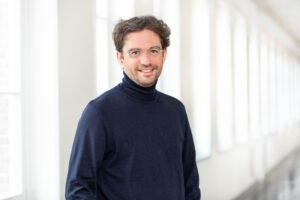
I am a molecular biologist, and my main research interest are the consequences following the infection of cells, organoids or entire organisms with viruses. Specifically, I investigate the transcriptional and post-transcriptional regulation of gene expression based on high-throughput methods. For Herpes simplex virus 1 (HSV-1), we found a widespread induction of antisense transcripts from the host cell genomes in infected human fibroblasts, which could lead to downregulation of the apoptosis inducer BBC3/PUMA and thus enhance survival. Furthermore, we identified the Nrf2 pathway as a regulator of HSV-1 infection based on single-cell RNA-Seq data. In SARS-CoV-2/COVID-19 research projects, we contributed to investigations into mechanisms of pathogenesis using single-cell RNA-Seq in a wide range of model systems, from cell lines to animal models and patient data. By that, we identified aspects of pathogenic processes such as aberrant activations of macrophages or neutrophils, and inflammatory events in endothelial cells.
Outside work, I enjoy reading, watching films and random low-level outdoor activities.
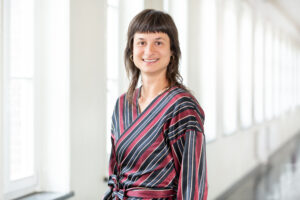
Dr. rer. nat. Veronika Brinschwitz, PostDoc Fischer lab
University Medical Center Hamburg-Eppendorf, UKE (P04)
- v.brinschwitz@uke.de
As a researcher at the interface between structural biology and virology, I have always been interested in the pathogenesis of diseases and the underlying molecular mechanisms. I was able to pursue this interest during my studies of pharmaceutical sciences in Freiburg and Halle (Saale) and to deepen it during my PhD studies in the group of Nicole Fischer in Hamburg. My research focuses on the Merkel cell polyomavirus (MCPyV), a human tumor virus that causes skin cancer. I focus on the viral protein large T-antigen (LT), which is involved in tumorigenesis and plays an important role in the life cycle of MCPyV. I analyze the structural properties of LT and try to relate them to novel biological functions. In the research network I am investigating the interaction between human polyomaviruses and PML-nuclear bodies and how these can be manipulated for viral replication.
Outside of work, I enjoy traveling, being creative, and reading.

Lisann Marie Röpke, PhD student Fischer lab
University Medical Center Hamburg-Eppendorf, UKE (P04)
- l.roepke@uke.de
During my master’s studies in Molecular Life Science at the University of Hamburg, I started working on the tumor virus Merkel Cell Polyomavirus (MCPyV) in the group of Prof. Dr. Nicole Fischer, which sparked my fascination with signalling pathways involved in cancer development in the context of viral infection. As an undergraduate student assistant, I also worked with induced pluripotent stem cell derived skin organoids (SkOs). This experience motivated me to explore organoid technology further by joining Dr. Laura Pellegrini’s group at King’s College London for an internship on choroid plexus organoids. Afterward, I began my PhD at the Institute of Molecular Virology and Tumorvirology at the University Medical Centre Hamburg.
In my research as a PhD student, I now investigate how MCPyV modulates the intrinsic immune system using SkOs as the first productive infection model of MCPyV. My goal is to identify host and viral factors that enable MCPyV immune evasion and lifelong persistence by testing different viral mutants and treatment approaches.
In my spare time, I enjoy spending time with my cats, playing board games and reading a good fantasy novel.
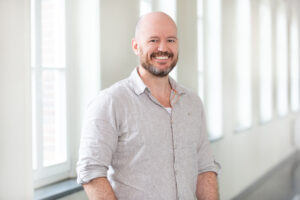
Dr. rer. nat. Thomas Günther, Senior Scientist Grundhoff lab
Leibniz-Institut für Virologie – LIV (P05)
- thomas.guenther@leibniz-liv.de
After graduation in biochemistry and molecular biology at the University of Hamburg, Germany, I joined the group of Adam Grundhoff at the Leibniz Institute of Virology. At that time I already started working on the early chromatinization of herpesvirus genomes with a focus on latent Kaposi’s sarcoma associated herpesvirus (KSHV) infection. During that time, I became interested in polycomb repression of different viruses using comparative approaches. In 2011, I received the doctorate and took the opportunity together with my colleagues to build up the Institute’s next generation sequencing (NGS) facility headed by Adam Grundhoff. In the following years I became an expert in NGS sequencing technologies and acquired deeper skills in bioinformatics. Aside from that I also developed a main interested in high resolution live-cell microscopy. I am now a senior scientist in the research unit Virus Genomics and also took the duties of the radiation protection officer to coordinates the institute’s radiation safety measures.
Main focus of my current research are comparative approaches to investigate general aspects of chromatin acquisition and also host regulation by different viruses, in particular different repression mechanisms using e.g. a wide range of sequencing technologies. As part of my interest in microscopy, I also establish live-cell imaging approaches to visualize viral DNA upon infection in real-time, that allow investigating infections on a single episome/genome level.
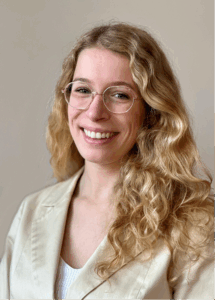
Marie Vollmost, PhD student Grundhoff lab
Leibniz-Institut für Virologie – LIV (P05)
- marie.vollmost@leibniz-liv.de
Ever since childhood, I have been fascinated by life at the molecular level and wanted to learn more about processes that cannot be observed with the naked eye. In my bachelorthesis in Molecular Life Sciences, I therefore used microscopy to study the intracellular processing of borreliae in macrophages.
I deepened my interest in infection biology during my master’s program, where I became particularly intrigued by virology. For my masterthesis, I joined the research group of Adam Grundhoff at the Leibniz Institute of Virology. There, I analyzed the role of BET proteins in latent gene expression and the chromatin landscape of Kaposi’s sarcoma-associated herpesvirus (KSHV).
For my PhD, I have continued my research in Adam Grundhoff’s group, focusing on the epigenomics of gammaherpesviruses during latency. In particular, I study how the Human Silencing Hub (HUSH) contributes to the organization of the chromatin landscape. In addition to microscopy, I use specialized sequencing techniques such as ChIP-seq, PRO-seq, and CAGE-seq. I greatly enjoy working with these bioinformatic approaches and see them as an excellent opportunity to further expand my expertise in this field.
Outside the lab, you can find me on the tennis court, in the mountains, or at home – where I like to be creative, for instance by knitting and painting, or by watching American football.
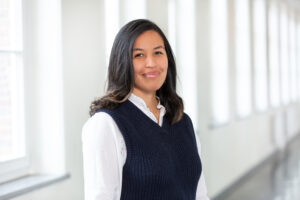
Romina Vargas Ayala, PhD student Virus Genomics Grundhoff lab
Leibniz-Institut für Virologie – LIV (P05)
- romina.vargas@leibniz-liv.de
I am a molecular biologist originally from Peru, trained in France in virology and molecular biology at the IARC of the WHO. I joined the DEEP-DV team in 2021 as an associated PhD student in the Grundhoff lab. Since the beginning of my scientific studies, I became fascinated by the intricate interactions between viruses and their hosts, particularly by the strategies deployed by large DNA viruses like KSHV, which I use as a tool to study chronic viral infections. My PhD project investigates the mechanisms underlying herpesvirus latency, focusing on chromatin silencing and the role of subnuclear compartments and promyelocytic leukemia nuclear bodies (PML NBs). Herpesviruses can establish a latent state in host cells in which they remain dormant for extended periods of time and are reactivated under certain conditions. A key component of latency is epigenetic control of the viral episome, in particular through chromatin modifications that repress viral gene expression.
This project aims to investigate how latent viral chromatin is affected by subnuclear episome localization and association with membraneless nuclear compartments such as PML-NBs. I use advanced molecular biology techniques such as live-cell single-molecule imaging, CRISPR-go technology and ChIP-seq to investigate the spatial dynamics of latent herpesvirus genomes and associated chromatin changes.
Outside of my research, I enjoy learning about ancient history, playing with my chinchillas and dancing, especially salsa.

I started to get curious about how our immune system works in my childhood, and later my research topics were always related to immunology. During my bachelor’s degree in Molecular Biology and Genetics at Istanbul Technical University, Turkey, I worked in an immunology lab and learned about B cells and their response to Helicobacter pylori infection and tumor-associated macrophages. During my graduate studies in Molecular Medicine at Ulm University, I spent four years mainly working on immunomodulation and ubiquitin-proteasome system in hematological malignancies. In my doctoral study, I am excited to explore herpesviruses with Prof. Dr. Benedikt Kaufer and our research group. My current research topic is human herpesvirus 6 (HHV-6), it is like other herpesviruses, a successful pathogen that co-exists with its host species for thousands of years that is based on their ability to undergo two distinct states: the latency and the lytic cycle. HHV-6 efficiently remains latent in its host while spreading from human to human and successfully infecting almost all of us in the first few years of our life. Intriguingly, HHV-6 ensures its genome maintenance during latency by integrating into host telomeres. In our project, we would like to understand how the establishment of latency is orchestrated.and we would like to know whether we can influence the decision between lytic replication and latency of HHV-6.
In my spare time, I enjoy reading fiction and science books, watching various movies and series, doing photography, taking long walks, and hanging out with my friends.
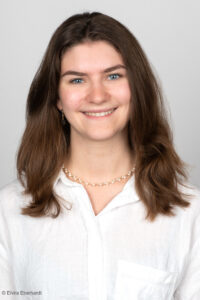
Laura Wolferseder, PhD Student ULM Stamminger lab
Universitätsklinikum Ulm (P07)
- laura.wolferseder@uni-ulm.de
Since my studies in Molecular Medicine at Ulm University, I have been fascinated by the complex molecular interactions between viruses and their host cells. I am particularly intrigued by the highly specialized strategies viruses have evolved to evade immune surveillance and to selectively modulate or disable cellular defense mechanisms. These dynamic adaptation processes highlight how finely tuned the interplay between pathogen and host truly is and how much remains to be uncovered about the underlying regulatory networks.
My research focuses on human cytomegalovirus (HCMV) and its interaction with components of intrinsic immunity, particularly cellular restriction factors. The aim of my work is to characterize these complex interactions at a mechanistic level and to better understand their functional consequences for the course of viral infections.
Beyond my scientific work, I find balance in sports, especially swimming and running, and enjoy staying active and spending time with friends.
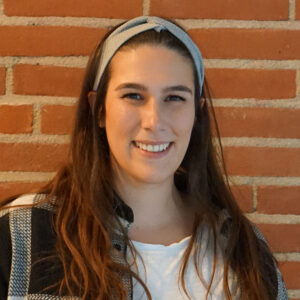
My research life as a virologist started as a master’s student at the Technical University of Munich investigating the modulation of human Adenovirus productive infection by distinct PML isoforms. Fortunately, during my PhD thesis I was able to combine my interest for epigenetics with my newly evolved fascination for human Adenoviruses. As a PhD student with Sabrina Schreiner, I studied the role of the chromatin-associated proto-oncogene DEK in the modulation of the host and adenoviral genome, whereas we could provide new target molecules for novel therapeutic strategies. During my postdoc at the Hannover Medical School, I will further investigate the regulation and posttranslational modification of epigenetic factors during human Adenovirus infection to gain novel insights on early stages of viral gene expression, latency and the virus-mediated oncogenesis.
In my spare time, I like to go hiking and most of all going to concerts, travelling and spending my evenings with friends and family with good food.
- julia.mai@uniklinik-freiburg.de
Masih Nazari, Doktorand AG Schreiner
Universitätsklinikum Freiburg (P08)
- masih.nazari@uniklinik-freiburg.de
I graduated with an MSc in Biotechnology, where I studied transcriptional regulation in glioblastoma stem cells and investigated how epigenetic modifiers influence gene expression. Through a short-term position in molecular virology lab, I developed a growing interest in virology and gained hands-on experience with DNA viruses. This experience inspired me to pursue a PhD in molecular virology, and I joined Professor Sabrina Schreiner’s lab at the Institute of Virology, Freiburg, where I immediately became fascinated by adenoviruses and their complex interactions with host cells. My research focuses on investigating virus–host interactions at the molecular and cellular level to understand the regulation of viral gene expression. In particular, I am interested in the mechanisms by which adenoviruses recruit host proteins and reshape the molecular characteristics of host cells to establish and maintain infection.
In my free time, I enjoy hiking, photography, and playing basketball. I am also fascinated by prehistoric life and love exploring anything related to it.

Enrico Caragliano, PostDoc Bosse lab
Center for Structural Systems Biology, CSSB (P09)
- enrico.caragliano@leibniz-liv.de
I am a trained molecular biologist and virologist. My research interests focus on the formation of virus-induced compartments and the interaction of cellular and viral factors in their development. My interest in herpes viruses began during my master’s thesis in Messina. At that time, I investigated the role of a viral protein in modulating apoptotic signalling pathways during infection with herpes simplex virus type 1 (HSV-1). As an intern at the University of Rijeka in Prof. Stipan Jojnic’s laboratory, I worked on a mouse model for congenital infection with human cytomegalovirus (HCMV). In 2018, I began my PhD at the Leibniz Institute for Experimental Virology (HPI) in Hamburg as part of a joint project between the working groups of Jens Bosse and Wolfram Brune on HCMV replication compartments (RCs). I am currently continuing my dissertation at the Centre for Structural Systems Biology (CSSB) in Hamburg. I am investigating how HCMV uses liquid-liquid phase separation (LLPS) to form its replication complexes (RCs) directly on the viral genome, thereby ensuring its replication. We are particularly interested in the molecular composition of these compartments using state-of-the-art live-cell microscopy and novel networking methods.
In my free time, I enjoy cycling in the Hamburg area, playing video games and reading historical books.

Nadine Brückner, PhD student Viejo-Borbolla lab
Medizinische Hochschule Hannover (P10)
- brueckner.nadine@mh-hannover.de
I studied biology at the Leibniz University Hannover, the University of Veterinary Medicine Hannover and the Hannover Medical School (MHH) when I had my first lectures in the field of Virology which captured and held my interest to this day. The use and takeover of host cell machinery by viruses fascinated me so much that my first steps into research were focused on different viral and host protein interactions required for cell entry and replication.
For my research with Prof. Abel Viejo-Borbolla at the MHH, we look further into the latency stage of the life cycle of Varicella-Zoster-Virus. Investigating the establishment and maintenance of latency, we are checking for marks of various histone chaperones and repressed transcription factors while also testing for viral proteins that might inhibit VZV latency.
When not working on my PhD thesis, I like to bake cake or cookies (which I occasionally share with my colleagues), paint or go to the German coast for a long walk on the beach.
Zia Barnard, Phd Student Viejo-Borbolla lab
Medizinische Hochschule Hannover, MHH (P10)
- Barnard.Zia@mh-hannover.de
It was at high school that I first encountered the term, “pathogens,” sparking my fascination with the tiny living things responsible for many diseases. My curiosity of viruses deepened when I explored the molecular pathogenesis of COVID-19 virus during my master’s dissertation at the University of Edinburgh. When I served as a technician at the Whitehead Institute for Biomedical Research, I understood how to model the complexity of the interplay of genetics and cell-type specific molecular mechanisms in human stem cell derived models and how those contribute to human disease. Through those various research experiences, I realized I wanted a career that would continuously challenge me, nurture my passion for learning, and allow me to contribute to scientific discovery. Driven by this desire, I began a PhD in Infection Biology at Hannover Medical School, in the lab of Abel Viejo-Borbolla.
I study the Varicella Zoster Virus (VZV), whose primary infection in humans causes varicella (chickenpox), predominantly affecting unvaccinated children. However, after infection, the virus remains latent in the peripheral sensory neurons and could later reactivate, appearing as zoster (shingles). Using human stem cell derived models of sensory neurons, I aim to study how the innate immune systems of these cells respond to viral infections and also how viruses evade those defenses. Insights from this research could help identify key molecular factors or mechanisms for the development of targeted therapeutics.
I am an adventurous soul and outside of lab, I enjoy sightseeing and hiking. I also enjoy immersing myself in new cultures through travel, trying new food and exploring history and art.
Nina Bracker, PhD student Czech-Sioli lab
University Medical Center Hamburg-Eppendorf, UKE (P10)
- n.bracker@uke.de
I was already fascinated by chemistry and biology at school, which is why I studied Molecular Life Science at the University of Lübeck. I did my master’s thesis at the University Medical Center Hamburg-Eppendorf in Nicole Fischer’s research group. During this time, my fascination with virology grew, especially with herpesviruses and their ability to establish latency in the host. I also had the opportunity to work with organoids for the first time, which impressed me greatly as it opened up a whole new world of model systems for me.
In my PhD project in Manja Czech-Sioli’s research group, I will build on my master’s thesis and investigate the infection of human skin organoids with the varicella zoster virus (VZV). Our focus will be on viral spread in the organoids, the immune system’s control of the infection, and the virus’s strategies for evading this control. I am looking forward to getting to know new methods and analysis tools and advancing the field of VZV research.
To balance out my work in the lab, I enjoy reading, listening to podcasts, and sports, preferably Pilates at the moment.
Dr. Vanessa van Rahden, project manager Fischer lab
University Medical Center Hamburg-Eppendorf, UKE
- v.vanrahden@uke.de
After completing my biology studies at the Technical University of Braunschweig, I started a PhD at the Institute of Human Genetics, University Medical Center Hamburg-Eppendorf (UKE). I investigated the role of the protein OCRL within the intracellular trafficking pathway, a 5-phosphatase which is depleted in the genetic disorder Lowe syndrome. I subsequently chose to move into industry to experience how findings discovered in basic research are translated into practical applications. I spent over a decade working in contract research organizations, specialized in digital PCR, next-generation sequencing, and ELISA applications, where I expanded my knowledge in assay development, validation, and clinical sample testing. In 2025, I returned to the UKE and started as a research project manager at the Institute of Molecular Virology and Tumor Virology. My main tasks are the support in preparing and reporting of research proposals, as well as with grant funding and personnel matters, and I manage the institute’s website. I find process optimization, such as the implementation of the electronic lab notebook, particularly exciting. Within the DEEP-DV research group, I am responsible for coordinating administrative tasks and organizing events. I am a family person who enjoys exploring nature with my two children, preferably on long hikes both near my home and on holidays.